
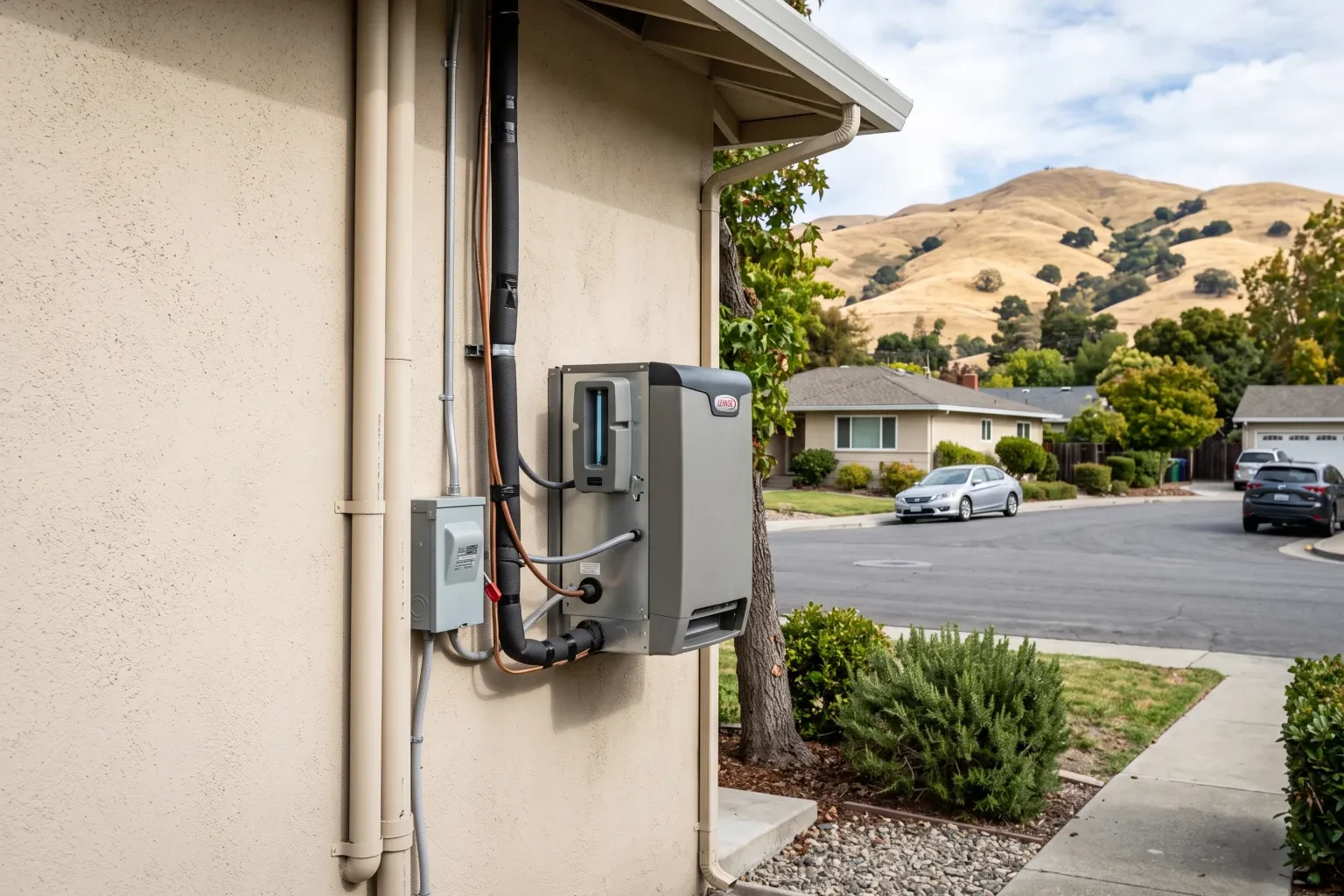
The short answer
If your home is dusty, stuffy, musty, or triggers allergy symptoms, your HVAC system is often part of the cause. PrimeAir inspects filters, ducts, coils, drains, humidity, and combustion safety, then recommends targeted repairs or upgrades. Equipment replacement is only suggested when the equipment itself is the problem.
Indoor air quality largely comes down to what your heating and cooling system moves through your home every day: dust, pollen, moisture, odors, and, with gas equipment, combustion byproducts. Your HVAC system circulates the same air over and over, so a dirty filter, a leaky duct, or a clogged drain can affect every room. PrimeAir HVAC Repair Service helps homeowners in Fremont and nearby cities find the actual source of an air problem and fix it, instead of adding a device that only masks it. Local weather plays a part too. Dry summers bring dust and long cooling runs, and mild, damp winters can leave moisture lingering in closed-up homes.
Signs Your Home Needs an Air Quality Check
Air quality problems usually build gradually, so they are easy to get used to. If several of these sound familiar, it's worth having your system looked at.
- Dust settles on furniture within a day or two of cleaning
- Allergy or asthma symptoms that ease when you leave the house
- Musty or stale smells when the system turns on
- Condensation on windows or mold spots, especially in winter
- Rooms that feel stuffy or noticeably different from the rest of the house
- Very dry air that causes static shocks, dry skin, or irritated sinuses
- Dust or dark streaks around supply registers
- Gas odors, soot near vents, or a carbon monoxide alarm going off
What We Check During an Indoor Air Quality Visit
Our technicians look at the whole system, not just the filter. The goal is to see where contaminants and moisture are coming from and how air actually moves through your home.
- Air filter type, fit, and condition, and whether air is slipping around the filter
- Blower wheel and evaporator coil for dust buildup or biological growth
- Condensate drain pan and line for standing water or clogs
- Ductwork for leaks, disconnected runs, crushed sections, and gaps that pull in attic or crawlspace air
- Return air paths and airflow at each register
- Indoor humidity levels and how they compare to comfortable ranges
- On gas systems, burner operation, flue venting, and visible heat exchanger condition
- Bathroom and kitchen exhaust and any fresh air ventilation
Repair, Upgrade, or Replace
Most indoor air quality problems are solved with repairs or targeted upgrades, not new equipment. We explain what we found and give you options, starting with the simplest fix that addresses the cause.
Replacement makes sense when the equipment itself is creating the problem. Examples include a cracked heat exchanger, a badly corroded coil, or ductwork too damaged or dirty to repair. If replacing a gas furnace comes up, it helps to know the local rules. The Bay Area Air District does not require you to replace working equipment. Its appliance rules apply only when an existing furnace or water heater fails or is replaced. Under Rule 9-4, gas furnaces manufactured from 2029 on must meet a zero-NOx standard, which in practice points homeowners toward heat pumps. Heat pumps also remove combustion from your living space entirely.
The federal 25C tax credit covered qualifying heat pumps placed in service before December 31, 2025, and it doesn't apply to new installations after that date. BayREN and your local clean energy provider may offer current electrification incentives. Those programs change by funding cycle, so we confirm the current offer before including it in a quote.
- Repairs: sealing duct leaks, clearing drain lines, cleaning the coil and blower, fixing a poorly fitting filter rack
- Upgrades: media filter cabinets, whole-home humidifiers or dehumidifiers, UV lights at the coil, balanced ventilation
- Replacement: when failing or unsafe equipment is the root cause
What Affects the Cost
Every home is different, so we don't quote indoor air quality work until we've seen the system. You'll get a written estimate before any work begins. These are the main factors:
- How many problems the inspection turns up and how serious they are
- The size and layout of your home and the number of HVAC systems
- How easy the ducts are to reach, such as an open attic versus walls or a tight crawlspace
- The type of equipment you choose, from a filter cabinet to a whole-home dehumidifier
- Whether electrical work, new drain lines, or duct changes are needed
- Ongoing upkeep, like filter changes or UV bulb replacement
How a Visit Works
We start by asking what you've noticed, such as smells, dust, symptoms, or problem rooms, and when it happens. That history often points straight to the cause.
Next, the technician inspects the equipment, ducts, and airflow and checks humidity and combustion safety where it applies. We show you what we find, including photos when that helps, and explain it in plain terms.
Then you get clear options with a written estimate. Many fixes, like clearing a drain line or replacing a poorly fitting filter, can often be done the same day. Larger work is scheduled at a time that suits you. If you smell gas or your carbon monoxide alarm sounds, get everyone outside and call 911 or your gas utility first. Once you're safe, PrimeAir offers 24/7 emergency service to inspect your furnace and venting.